Oleocanthal
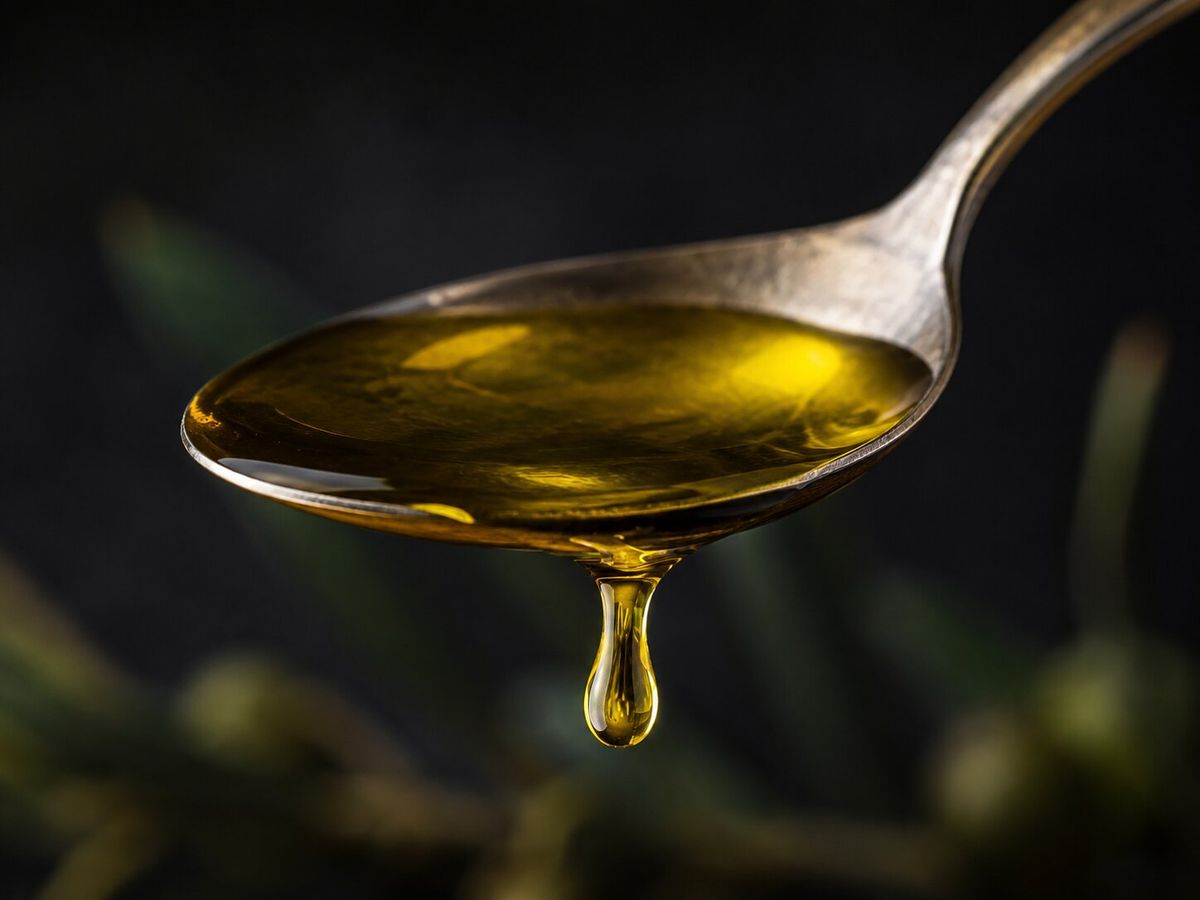
Extra virgin olive oil is one of the pillars of the Mediterranean diet and is much more than a simple condiment. In recent years, scientific research has paid particular attention to its phenolic compounds, natural substances responsible for much of its beneficial properties. Among these, one of the most studied is oleocanthal, a molecule found above all in high-quality extra virgin olive oils, obtained from healthy olives processed quickly after harvest.
Oleocanthal is known for the characteristic peppery sting felt in the throat when tasting a good extra virgin olive oil. This sensation, often mistaken for a defect by less experienced consumers, is in fact one of the signs of the presence of precious bioactive compounds.
What is oleocanthal?
Oleocanthal is a phenolic compound belonging to the secoiridoid family. It was identified relatively recently and has attracted the interest of the scientific community for its biological properties.
The name derives from the union of the words "oleo", referring to olive oil, and "canth", from the Greek for "sting", precisely to describe the typical pungent sensation it causes during tasting.
The concentration of oleocanthal can vary considerably according to several factors:
- olive variety;
- degree of fruit ripeness;
- climatic conditions;
- harvesting techniques;
- processing times;
- oil storage methods.
Extra virgin olive oils obtained from an early harvest generally tend to have higher concentrations of phenolic compounds, including oleocanthal.
Natural anti-inflammatory properties
One of the most interesting aspects of oleocanthal concerns its anti-inflammatory activity.
Several studies have shown that this molecule acts through mechanisms similar to those of some non-steroidal anti-inflammatory drugs (NSAIDs), helping to reduce the production of mediators involved in inflammatory processes.
It is important to stress that extra virgin olive oil is not a medicine and should not be considered a medical treatment. However, regular consumption as part of a balanced diet can contribute to maintaining a favourable physiological state, especially in the long term.
Chronic low-grade inflammation is today considered one of the factors associated with the development of numerous chronic diseases. For this reason, following a diet rich in plant foods and quality fats, such as those contained in extra virgin olive oil, is a choice recommended by numerous nutritional guidelines.
A powerful antioxidant
Oleocanthal also contributes to the antioxidant activity of extra virgin olive oil.
Free radicals are continuously produced during normal cellular metabolism. When their accumulation exceeds the body's defence capacities, a condition known as oxidative stress is created.
The antioxidants present in extra virgin olive oil help counteract this phenomenon, contributing to the protection of cells from oxidative damage.
The action of oleocanthal adds to that of the other polyphenols present in the oil, such as oleuropein and hydroxytyrosol, creating a synergistic effect that is particularly interesting from a nutritional point of view.
Benefits for cardiovascular health
Heart health is one of the areas in which extra virgin olive oil has shown the most solid results.
Although the effects cannot be attributed exclusively to oleocanthal, this compound contributes, together with the other polyphenols and monounsaturated fatty acids, to the health-promoting properties of the oil.
Habitual consumption of extra virgin olive oil as part of a balanced diet is associated with:
- a better balance of the lipid profile;
- protection of LDL lipoproteins from oxidation;
- support for the normal function of blood vessels;
- a contribution to the maintenance of cardiovascular health.
To obtain these benefits, it is essential to choose a high-quality extra virgin olive oil and use it as the main source of fat in the diet.
The possible role in brain health
The latest research is exploring the possible role of oleocanthal in protecting the nervous system.
Some experimental studies suggest that this molecule may favour the natural clearance processes of certain proteins involved in neurodegenerative diseases and help reduce inflammatory processes in the brain.
These are promising results, but still under study. Further clinical trials in humans are needed before definitive conclusions can be drawn.
For this reason, it is correct to speak of neuroprotective potential, avoiding statements attributing demonstrated therapeutic effects to oleocanthal.
An ally of the Mediterranean diet
The effectiveness of oleocanthal should not be considered in isolation.
The benefits of extra virgin olive oil in fact derive from the combined action of:
- monounsaturated fatty acids;
- vitamin E;
- polyphenols;
- phytosterols;
- squalene;
- numerous other bioactive compounds.
This complex food matrix makes extra virgin olive oil one of the hallmark foods of the Mediterranean diet, a dietary model internationally recognised for its positive effects on health.
How to choose an oil rich in oleocanthal
Not all extra virgin olive oils contain the same amount of oleocanthal.
To increase the chances of buying a product rich in phenolic compounds, it is useful to consider a few aspects:
- prefer extra virgin olive oils obtained from an early harvest;
- choose cold-pressed products;
- check for the harvest date when available;
- buy oils stored in dark bottles or containers that protect from light;
- favour producers who value the quality of their olives.
Tasting can also provide useful indications. An oil rich in polyphenols generally has a fruity taste, with bitter notes and a slight peppery sensation in the throat. These characteristics are a sign of the presence of bioactive substances and do not represent a defect.
How to store it correctly
Oleocanthal, like the other polyphenols, can degrade over time if the oil is stored in non-optimal conditions.
To preserve its characteristics, it is advisable to:
- keep the bottle away from direct light;
- avoid sources of heat;
- close the container carefully after each use;
- consume the oil preferably within the times indicated by the producer.
Correct storage makes it possible to maintain the nutritional and sensory qualities of the product for longer.
Conclusion
Oleocanthal is one of the most interesting compounds present in extra virgin olive oil. The available scientific evidence indicates anti-inflammatory and antioxidant properties and a possible contribution to cardiovascular and neurological health, although further studies are needed to confirm some effects observed in experimental settings.
Including a high-quality extra virgin olive oil daily in a varied and balanced diet is a nutritional choice supported by numerous studies. Although no single food can by itself guarantee the prevention of disease, extra virgin olive oil rich in polyphenols, and in particular in oleocanthal, is a precious ally for promoting general well-being and supporting a healthy lifestyle in the long term.
Frequently asked questions
What is oleocanthal?
It is a polyphenol (a secoiridoid) of extra virgin olive oil, known for the characteristic peppery sting felt in the throat: that sensation, often mistaken for a defect, is actually one of the signs that bioactive compounds are present.
Does the sting in the throat mean the oil is good quality?
In general yes: an oil rich in polyphenols has a fruity taste, bitter notes and a light peppery sensation in the throat. These characteristics are markers of bioactive substances, not defects.
Is oleocanthal a natural drug?
No: extra virgin olive oil does not replace a medication and is not a medical treatment. Regular consumption within a balanced diet can contribute to maintaining a favourable physiological state, especially over the long term.
Does oleocanthal keep over time?
Like the other polyphenols it can degrade if the oil is stored poorly: away from light, heat and oxygen, and consuming the oil within the season, its presence is preserved.